Studying visual attention beyond the lab: Lessons from applied eye-tracking
Shreshth Saxena (saxens17@mcmaster.ca) & Dr. Lauren Fink
Studying visual attention beyond the lab: Lessons from applied eye-tracking
Shreshth Saxena (saxens17@mcmaster.ca) & Dr. Lauren Fink
Tracking attention beyond the lab with eye movements
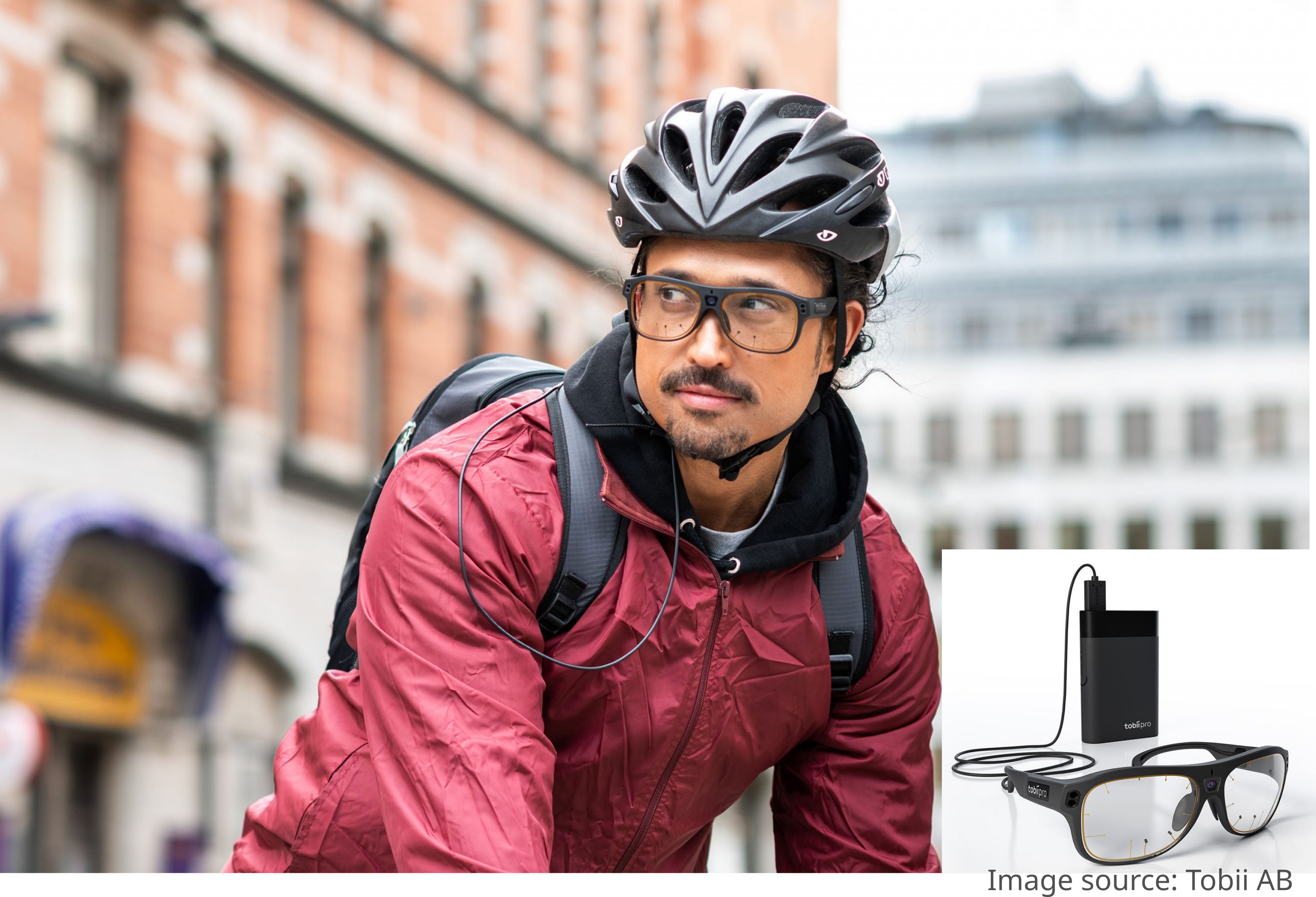
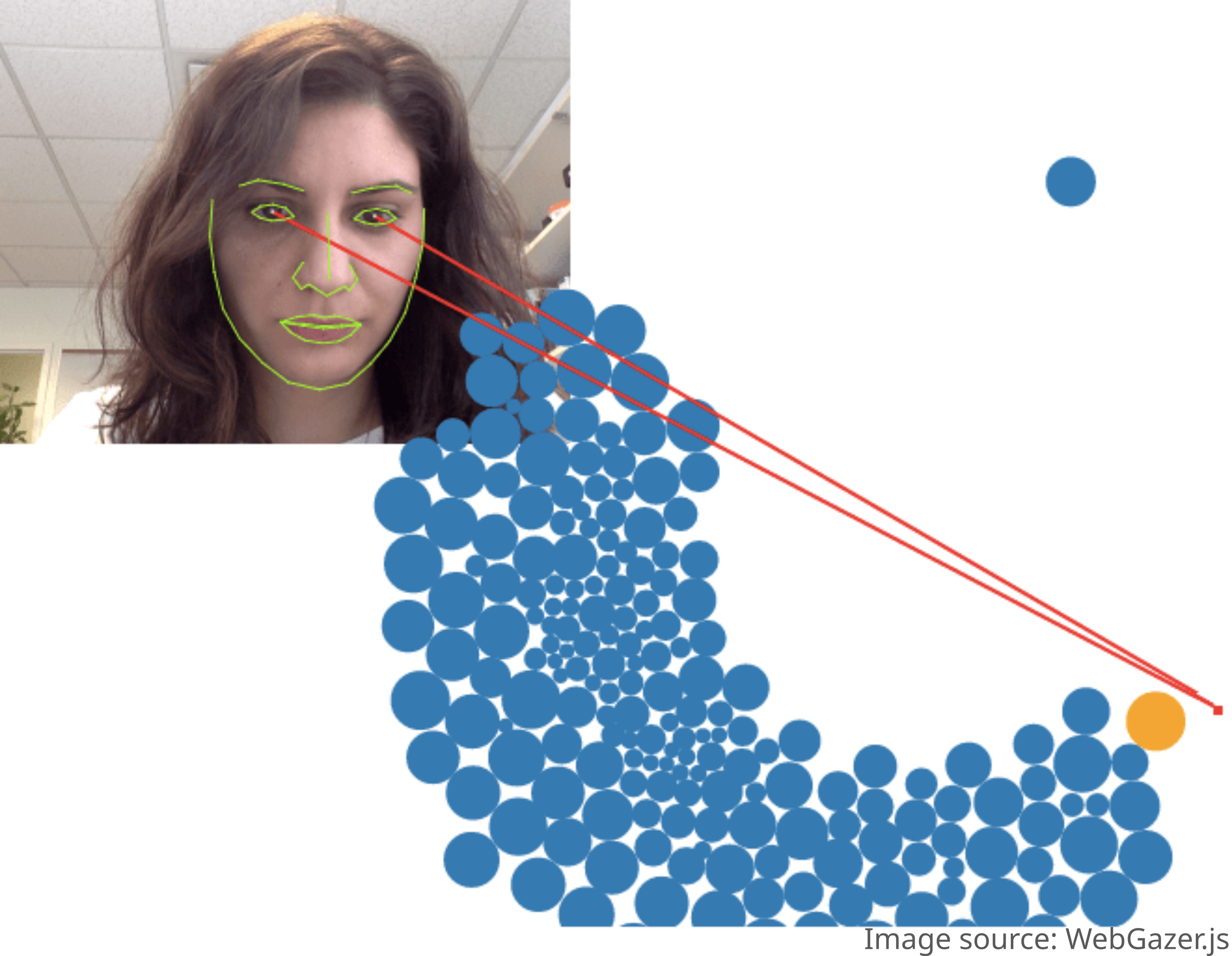
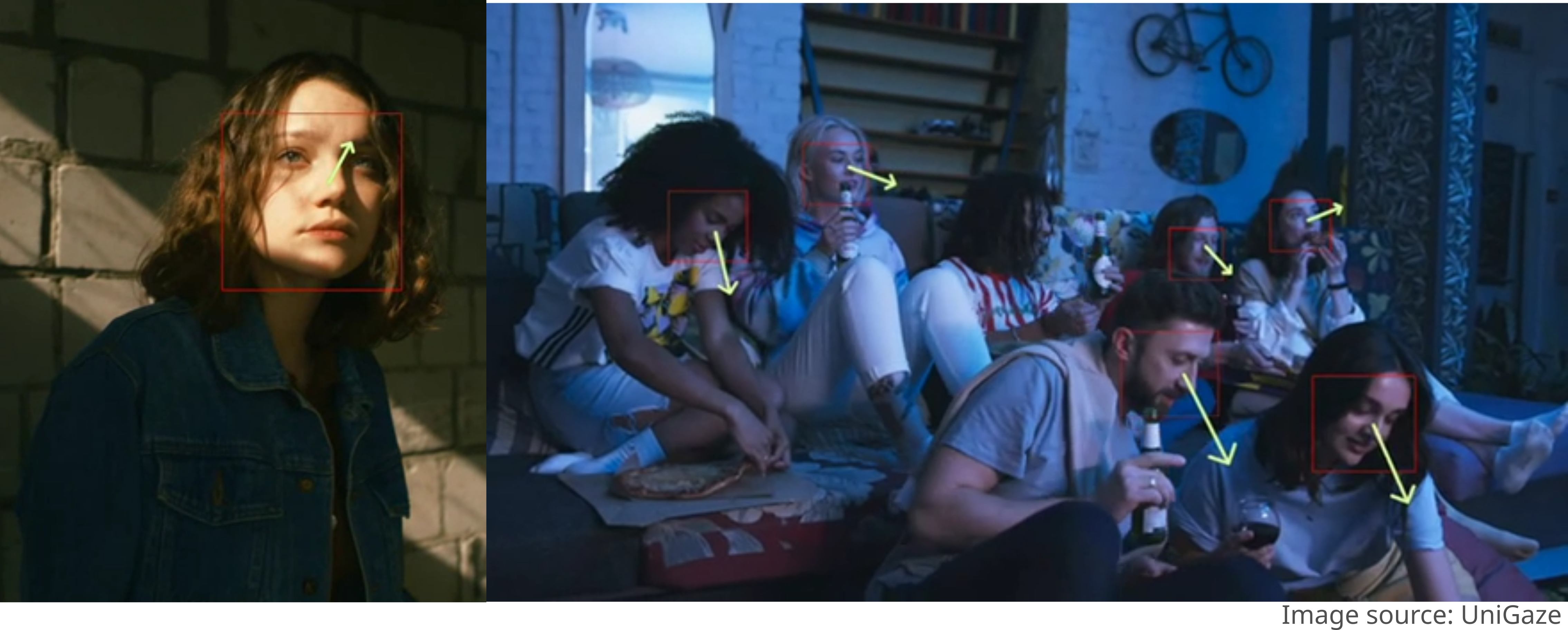
Tracking attention beyond the lab with eye movements
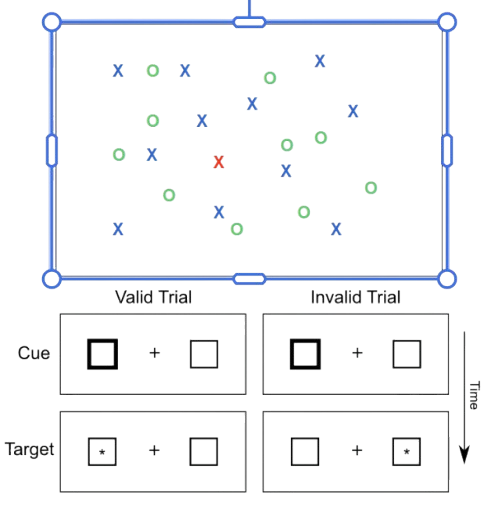
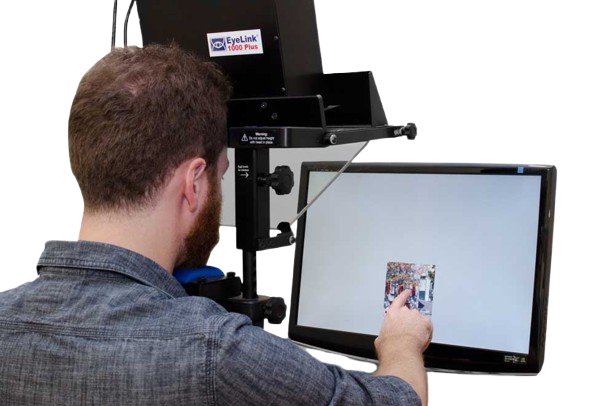


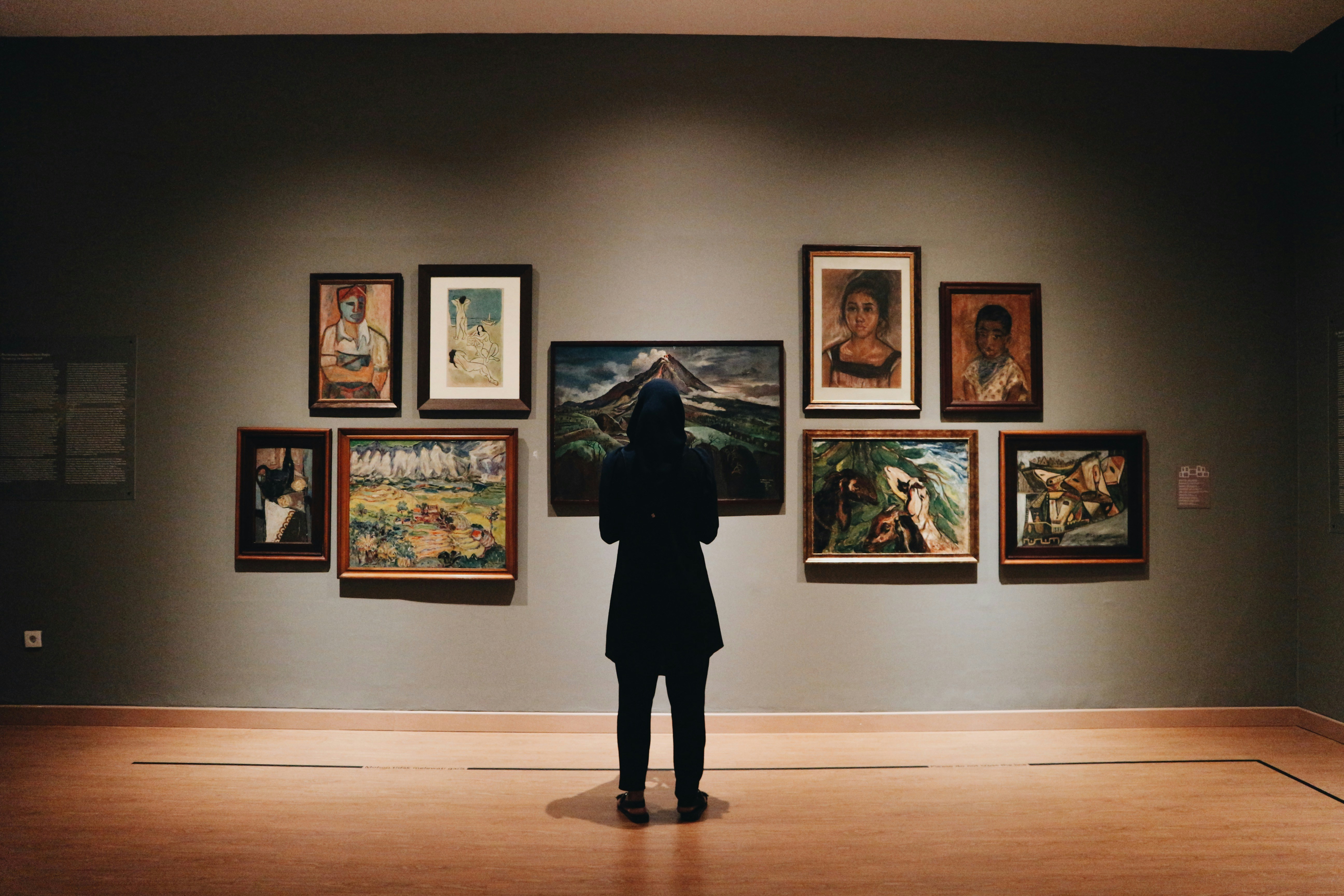
How do we run eye-tracking studies outside the lab?
How do we run eye-tracking studies outside the lab?

Remote settings
Relying on state-of-the-art hardwaresoftware


- Study 1: Reliably calibrating screen-camera setups
- Study 2: Characterising the accuracy of webcam eye-tracking
- Study 3: Optimising the speed-accuracy trade-off
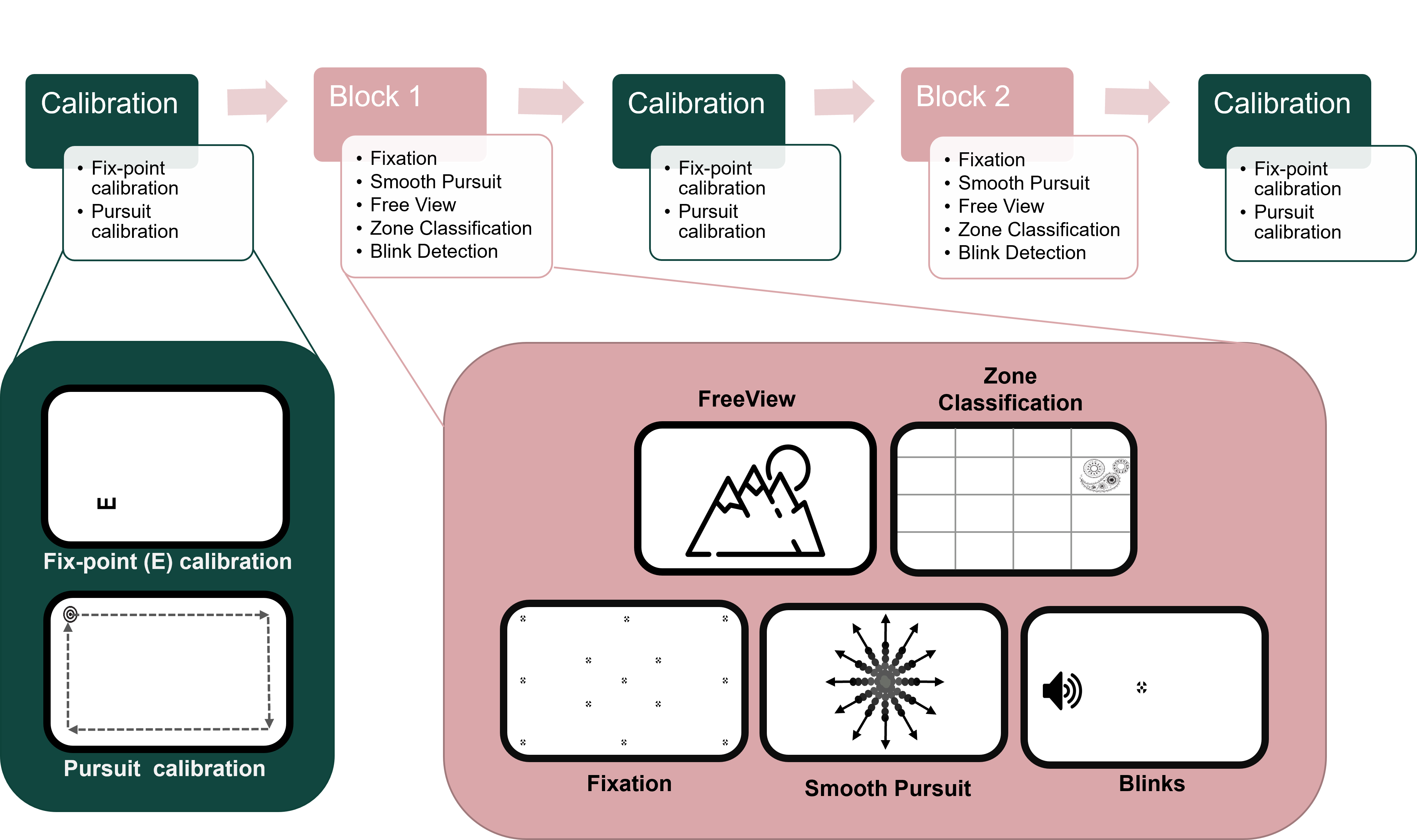
Study 1: Reliably calibrating screen-camera setups
Study 1: Reliably calibrating screen-camera setups
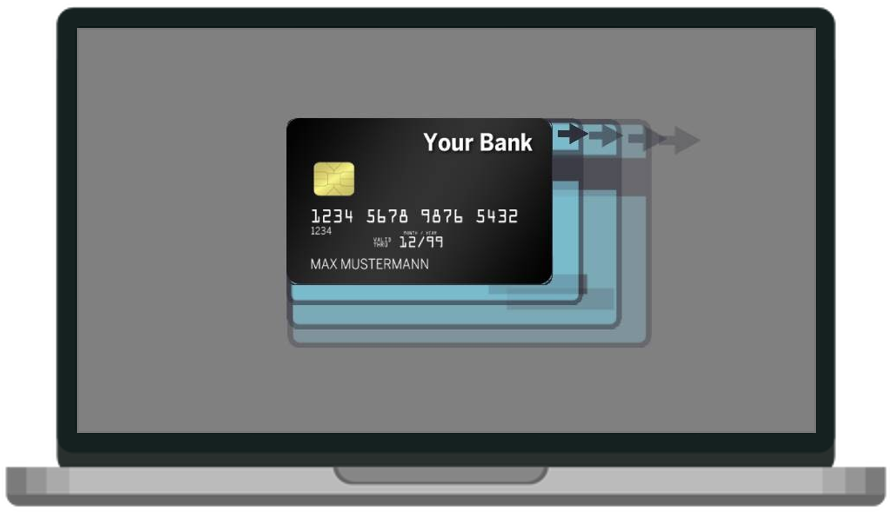
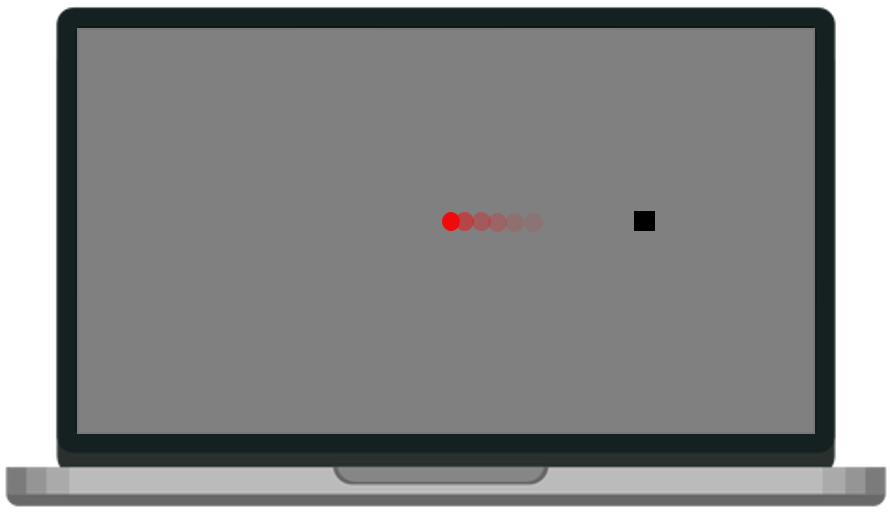
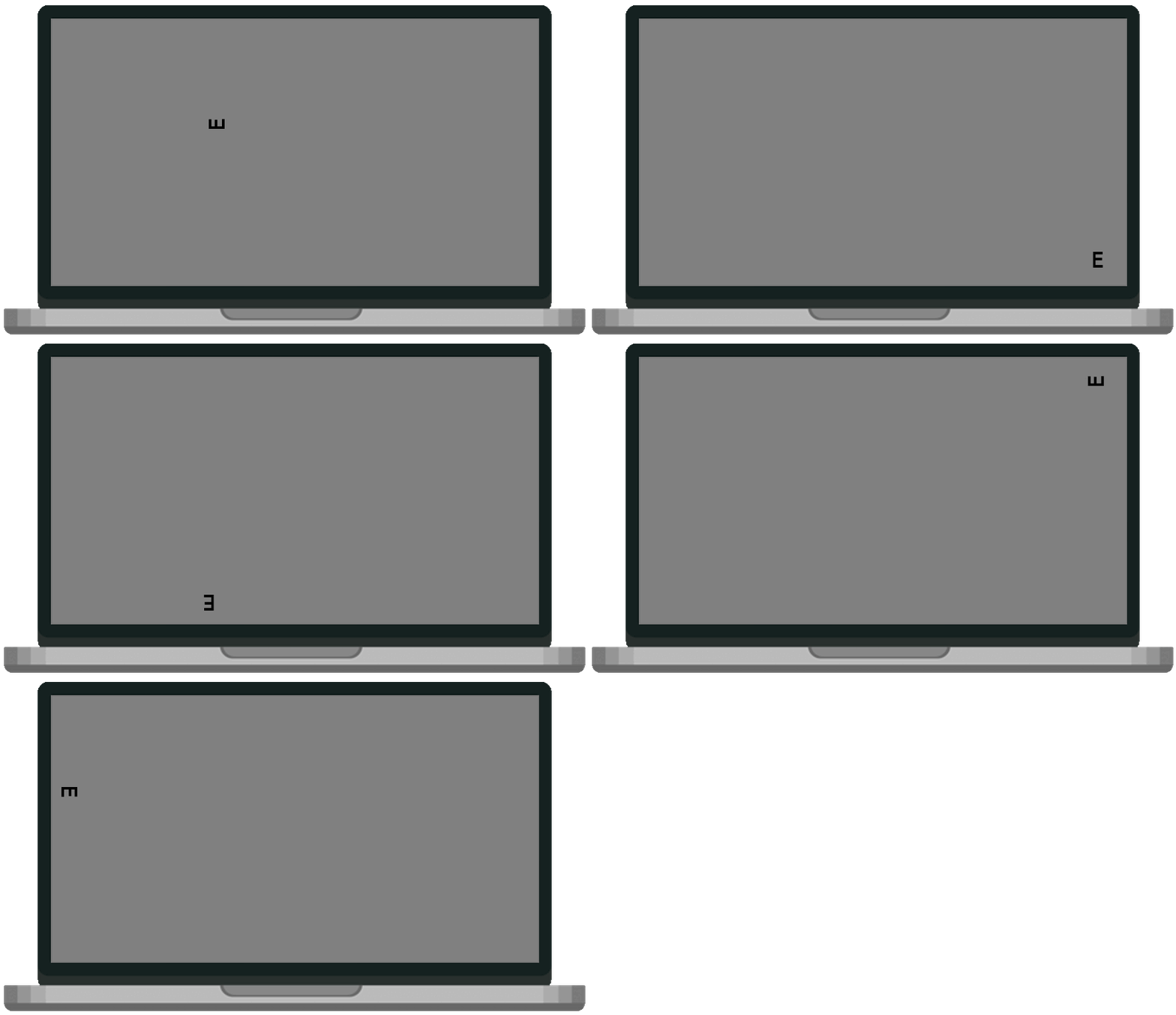
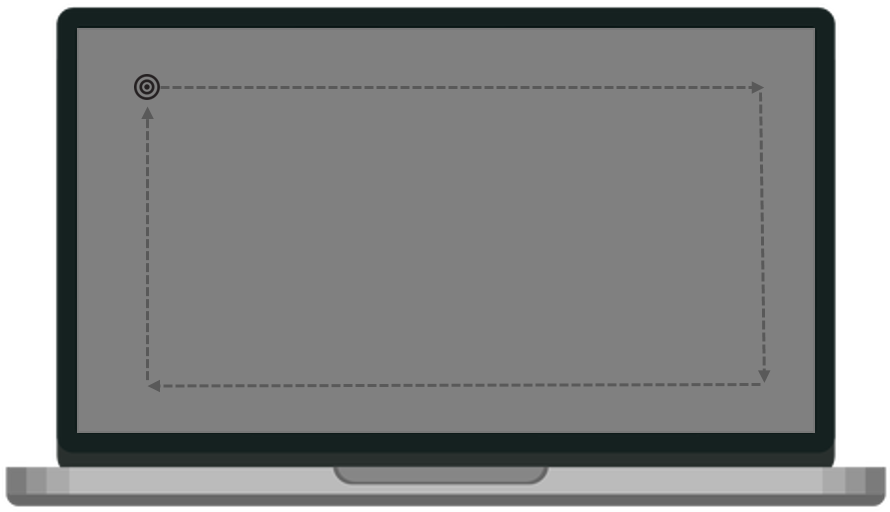
Saxena et al. 2022. Towards efficient calibration for webcam eye-tracking in online experiments. Symposium on Eye Tracking Research and Applications (ETRA '22) . Association for Computing Machinery. https://doi.org/10.1145/3517031.3529645
Study 2: Characterising the accuracy of webcam eye-tracking
Study 2: Characterising the accuracy of webcam eye-tracking
Study 2: Characterising the accuracy of webcam eye-tracking
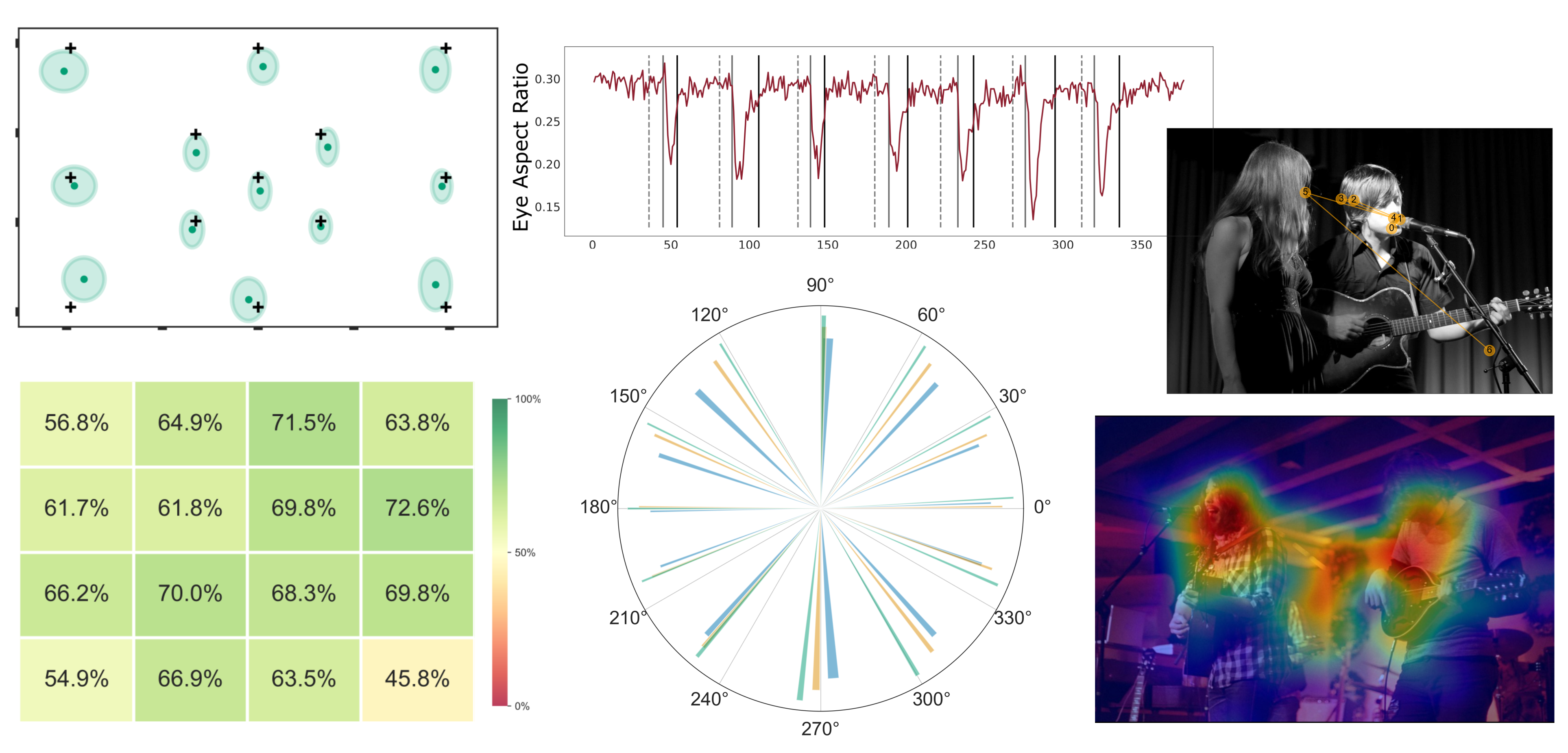
Saxena et al. 2023. Deep learning models for webcam eye tracking in online experiments. Behaviour Research Methods. https://doi.org/10.3758/s13428-023-02190-6
Study 3: Optimising the speed-accuracy trade-off
Study 3: Optimising the speed-accuracy trade-off
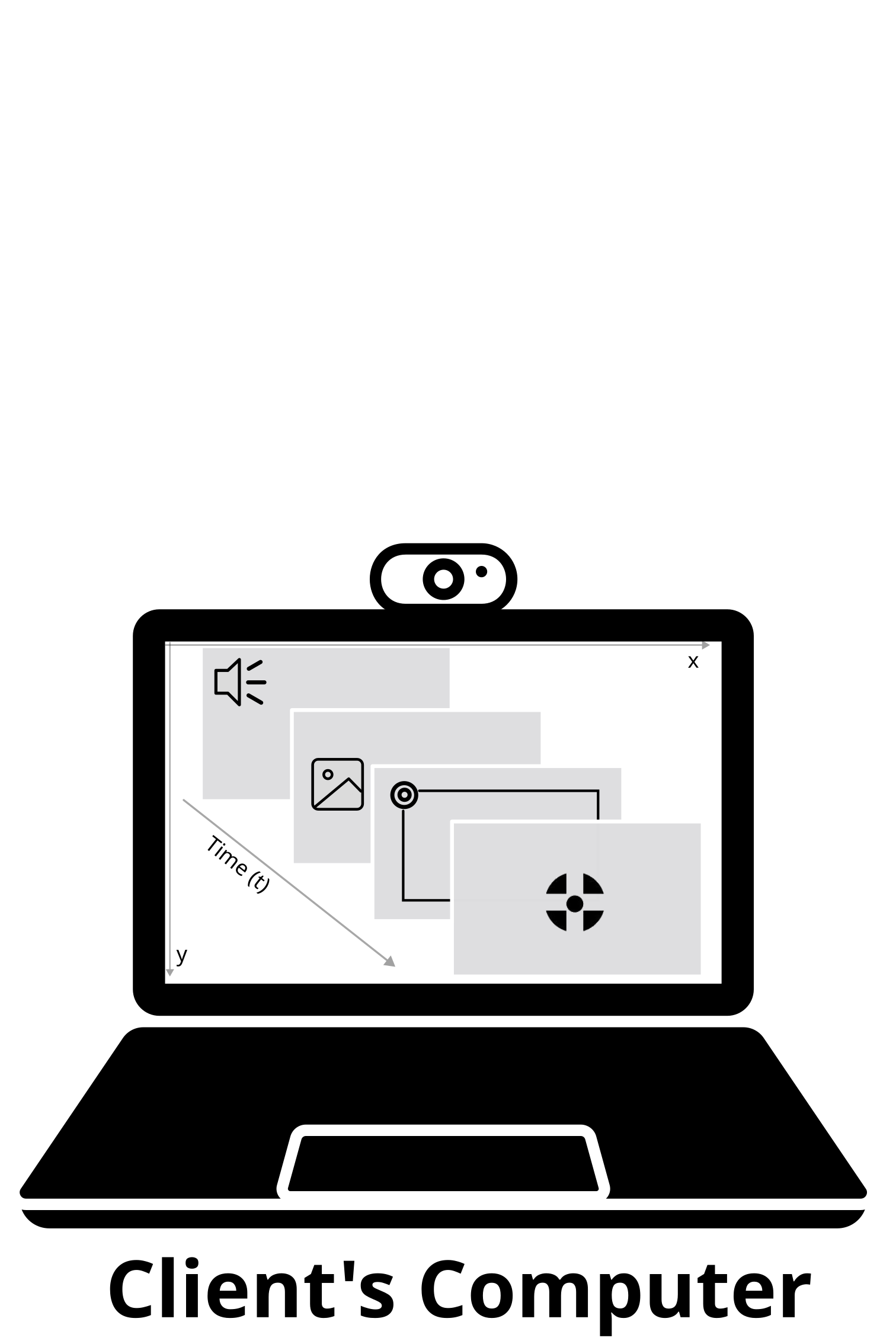
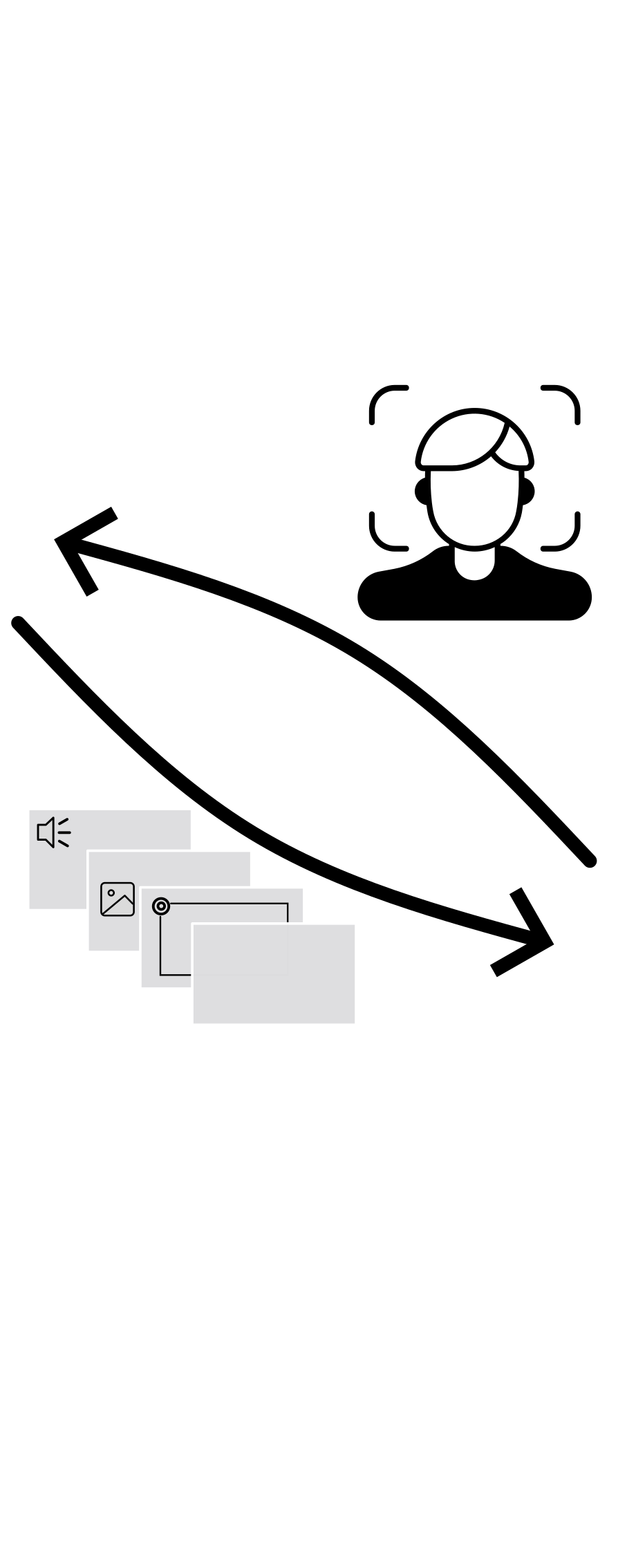
Deep learning outperforms present SOTA, but offline inference limits real-time use and privacy.
Study 3: Optimising the speed-accuracy trade-off
Saxena and Fink. 2026. WebSight: Accessible and privacy-aware webcam eye tracking using real-time deep learning in the browser. Manuscript in Preparation
Lessons from eye-tracking in remote settings
Lessons from eye-tracking in remote settings
- Calibration sequence (tasks and placement) strongly affects final prediction accuracy
- Traditional event-detection and analysis pipelines do not work for 30Hz eye-tracking data
- Real-time deep learning inference in the web-browser is still in beta
- Web development shifted back to server-side compute with the rise of LLMs
- WebGPU and WebONNX suffer from abondoned research and development
- WebSight works around it using classic web workers and webGL acceleration!
- Proprietary, GUI-based experiment builders don’t scale
- Problem no. 1: Openwashing (https://en.wikipedia.org/wiki/Openwashing)
- Problem no. 2: Working with a limited toolset and inconsistent terminologies
- Saxena et al. 2026. AVOKE: an open-source toolbox for audiovisual web experiments in jsPsych. PeerJ.
Code and demo available at https://beatlab-mcmaster.github.io/AVOKE
How do we take eye tracking outside the lab?
In-person settings
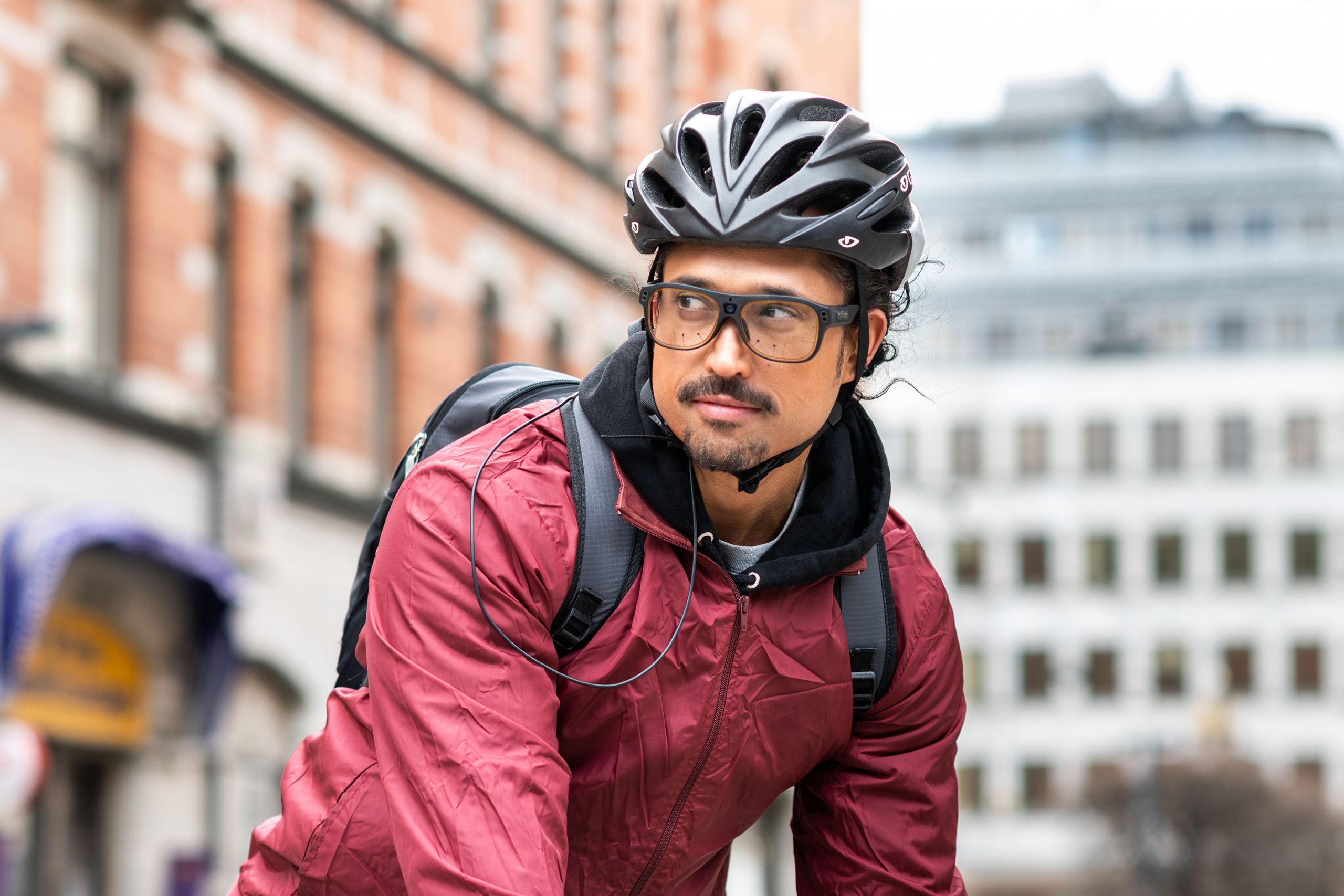
Relying on hardware and software
 x N
x N
Relying on hardware and software
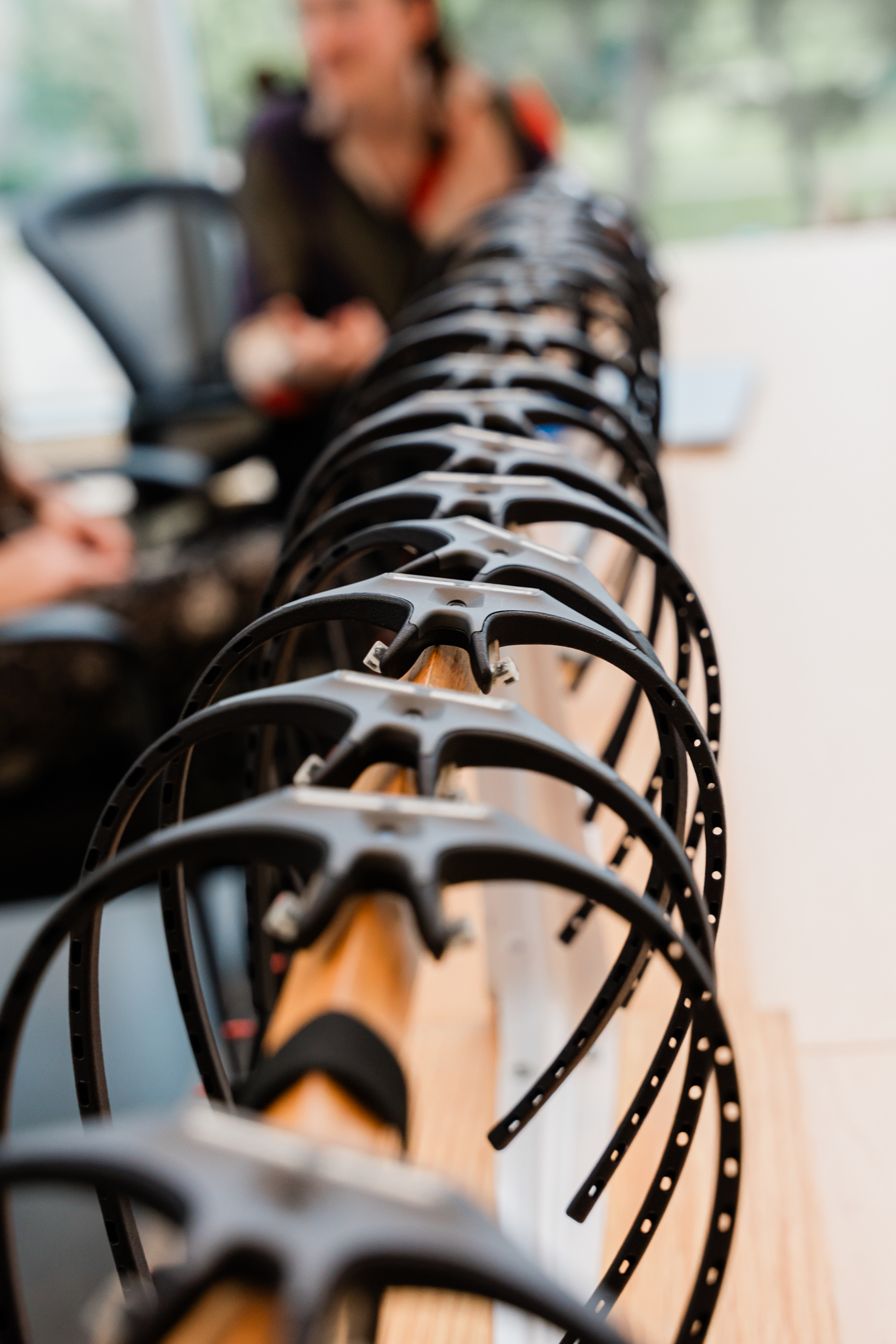
Relying on hardware and software
- Proprietary firmware/software
- Logistical challenges when managing a fleet
- Synchronising data from multiple sensors and clocks
- Synchronising data from multiple egocentric perspectives
- Joint attention visualisation and analysis
Study 4: Scaling Mobile Eye-tracking
- Proprietary firmware/software
- Logistical challenges when managing a fleet
- Synchronising data from multiple sensors and clocks
- Synchronising data from multiple egocentric perspectives
- Joint attention visualisation and analysis
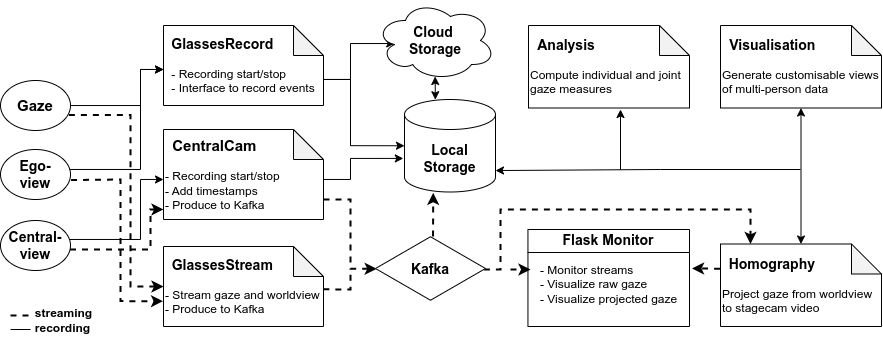
Saxena et al. 2025. SocialEyes: Scaling Mobile Eye-tracking to Multi-person Social Settings. ACM SIGCHI 2025. https://doi.org/10.1145/3706598.3713910
Study 4: Scaling Mobile Eye-tracking
- Proprietary firmware/software
- Logistical challenges when managing a fleet
- Synchronising data from multiple sensors and clocks
- Synchronising data from multiple egocentric perspectives
- Joint attention visualisation and analysis

Saxena et al. 2025. SocialEyes: Scaling Mobile Eye-tracking to Multi-person Social Settings. ACM SIGCHI 2025. https://doi.org/10.1145/3706598.3713910
Study 4: Scaling Mobile Eye-tracking
- Proprietary firmware/software
- Logistical challenges when managing a fleet
- Synchronising data from multiple sensors and clocks
- Synchronising data from multiple egocentric perspectives
- Joint attention visualisation and analysis
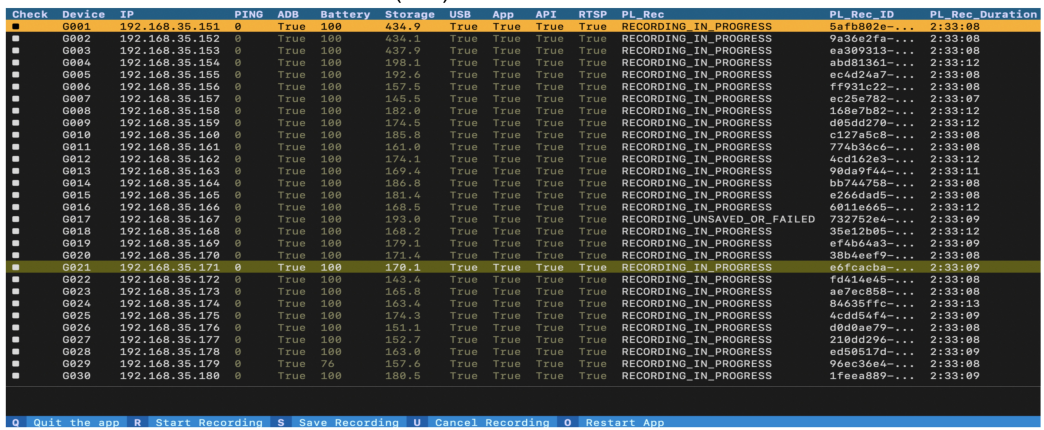
Saxena et al. 2025. SocialEyes: Scaling Mobile Eye-tracking to Multi-person Social Settings. ACM SIGCHI 2025. https://doi.org/10.1145/3706598.3713910
Study 4: Scaling Mobile Eye-tracking
- Proprietary firmware/software
- Logistical challenges when managing a fleet
- Synchronising data from multiple sensors and clocks
- Synchronising data from multiple egocentric perspectives
- Joint attention visualisation and analysis
Saxena et al. 2025. SocialEyes: Scaling Mobile Eye-tracking to Multi-person Social Settings. ACM SIGCHI 2025. https://doi.org/10.1145/3706598.3713910
Study 4: Scaling Mobile Eye-tracking
- Proprietary firmware/software
- Logistical challenges when managing a fleet
- Synchronising data from multiple sensors and clocks
- Synchronising data from multiple egocentric perspectives
- Joint attention visualisation and analysis
Saxena et al. 2025. SocialEyes: Scaling Mobile Eye-tracking to Multi-person Social Settings. ACM SIGCHI 2025. https://doi.org/10.1145/3706598.3713910
Study 4: Scaling Mobile Eye-tracking
- Proprietary firmware/software
- Logistical challenges when managing a fleet
- Synchronising data from multiple sensors and clocks
- Synchronising data from multiple egocentric perspectives
- Joint attention visualisation and analysis
Saxena et al. 2025. SocialEyes: Scaling Mobile Eye-tracking to Multi-person Social Settings. ACM SIGCHI 2025. https://doi.org/10.1145/3706598.3713910
Study 4: Scaling Mobile Eye-tracking
Saxena et al. 2025. SocialEyes: Scaling Mobile Eye-tracking to Multi-person Social Settings. ACM SIGCHI 2025. https://doi.org/10.1145/3706598.3713910
Lessons from eye-tracking in co-located, social settings
Lessons from eye-tracking in co-located, social settings
- Inherent trade-off between non-invasive design vs. experimental control
- Manual annotations and synchronisation don't scale
- Mobile eye-trackers are mostly built/tested for single-user, self-operation
- The cost of maintaining a fleet of eye-tracking hardware quickly adds up
- Proprietary softwares and subscriptions make it much worse
- Call to researchers, developers, and manufacturers:
- Saxena et al. 2026. OpenET: Converging on open standards for hardware-interfacing and data-sharing in eye-tracking.
28th International Conference on Human-Computer Interaction, Montreal, Canada. - https://openet-initiative.github.io/
Lessons from conducting eye-tracking beyond the lab
Lessons from conducting eye-tracking beyond the lab
- Standardization and open-source development is the key
- community-contributions have solved similar challenges in other spaces
- Wide range of applications: cognitive neuroscience, healthcare, broadcasting, education, etc.
- I benefited greatly from interdisciplinary collaboration
- Method development requires multiple iterations and continued maintenance
- Can take a full PhD and more
Thank you for your attention




Acknowledgements to all contributors, collaborators, and volunteers from


Why take eye tracking beyond the lab?
- Study social attention in context
- Study cross-modal dynamics with complex, ecological stimuli
- Reach global and underrepresented populations
- Bridge research and deployment–align methods with real-world systems and industry use cases
- Findings from lab based studies often do not replicate in naturalistic/real-world experimentation
- Foulsham et al. (2011). The where, what and when of gaze allocation in the lab and the natural environment. Vision Research, doi: 10.1016/j.visres.2011.07.002.
- Wohltjen & Wheatley (2024) Interpersonal eye-tracking reveals the dynamics of interacting minds. Front. Hum. Neurosci. doi: 10.3389/fnhum.2024.1356680
- Laborde et al. (2025) Vision toolkit part 1. Neurophysiological foundations and experimental paradigms in eye-tracking research: a review. Front Physiol. doi: 10.3389/fphys.2025.1571534.
- Hoppe et al. (2018) Eye Movements During Everyday Behavior Predict Personality Traits. Front. Hum. Neurosci. doi: 10.3389/fnhum.2018.00105
Summary of results
|
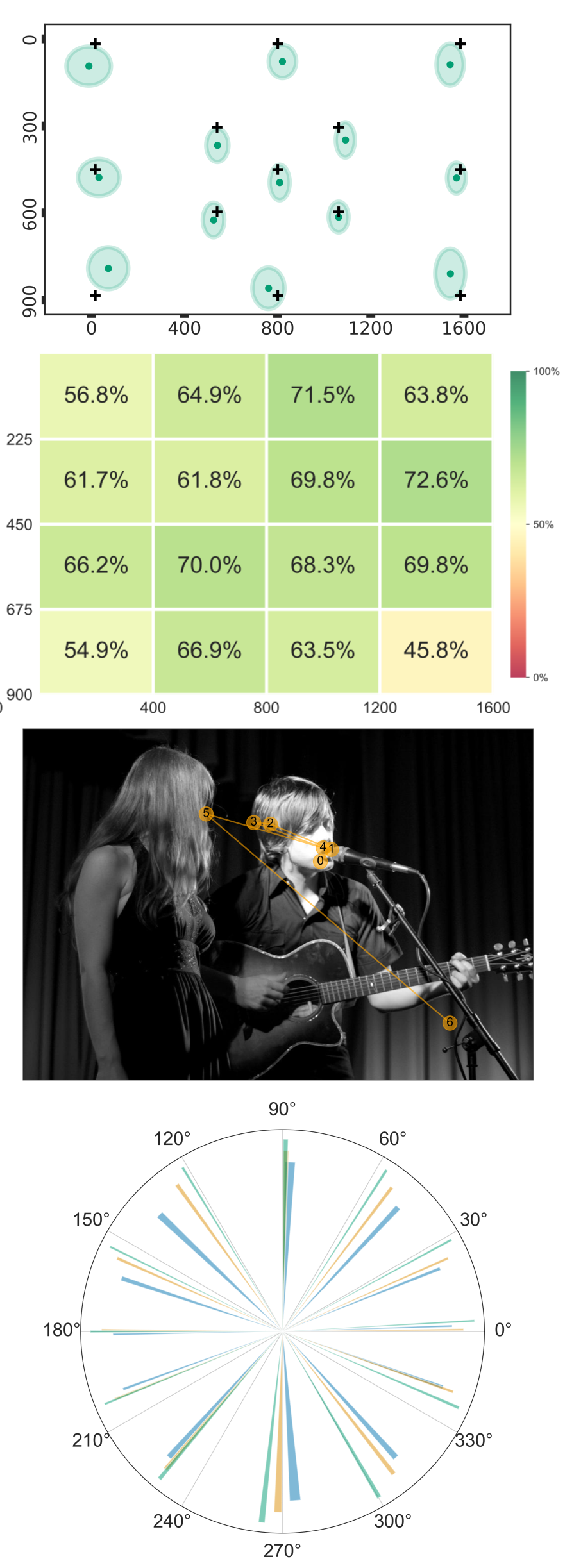 |
Study 4: Scaling Mobile Eye-tracking
- Proprietary firmware/software
- Logistical challenges when managing a fleet
- Synchronising data from multiple sensors and clocks
- Synchronising data from multiple egocentric perspectives
- Joint attention visualisation and analysis
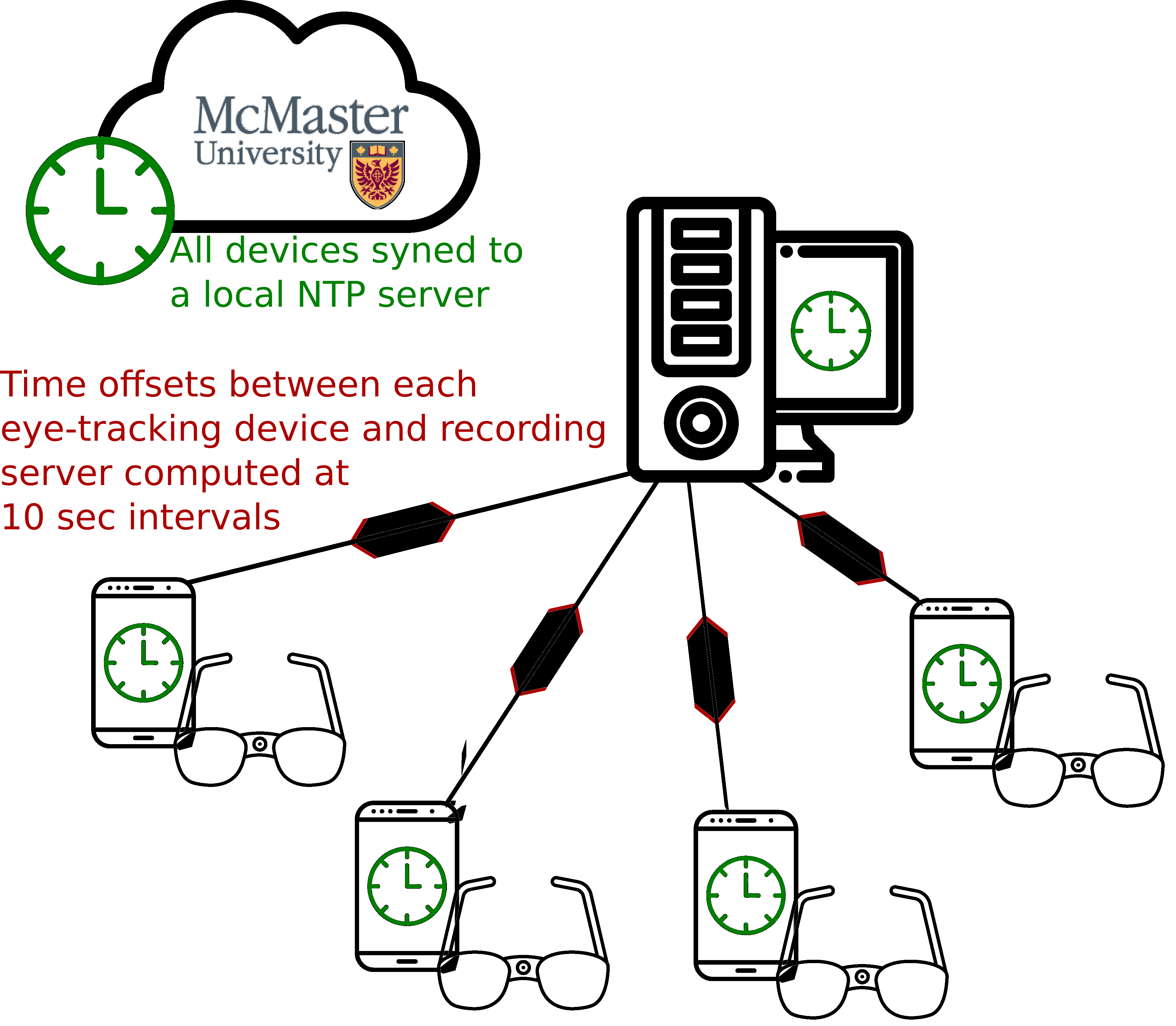
Saxena et al. 2025. SocialEyes: Scaling Mobile Eye-tracking to Multi-person Social Settings. ACM SIGCHI 2025. https://doi.org/10.1145/3706598.3713910
AVOKE demo
OpenET demo